
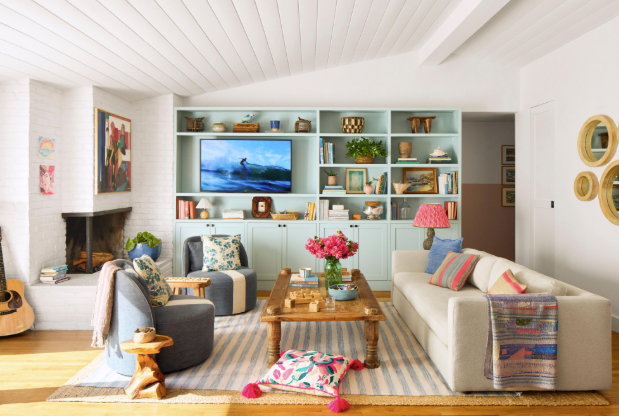
Creative Renovation Ideas That Transform Homes
Creative renovation ideas emerge from a focused blend of practicality and craft. The approach starts with quick budgeting, clear priorities, and a bare-bones costs map. Layering textures and surfaces yields instant impact, while clever layouts refine sightlines and storage. Lighting choices, color shifts, and material contrasts sculpt mood without shouting. The result is a coherent, evolving interior story that invites a closer look, a careful decision, and the next, quieter step toward transformation.
How to Identify Renovatables: Quick Budgeting and Priorities
Identifying renovatable spaces begins with a practical, methodical assessment of current condition, cost, and impact. The process translates observations into purpose: identifying budget priorities and aligning scope with available resources. Quick renovation costs are projected through itemized estimates, revealing feasible changes without overreach.
A detached, interpretive view preserves clarity, guiding deliberate choices while preserving a sense of freedom in planning and prioritization.
Layering Textures and Surfaces for Instant Impact
Layering textures and surfaces creates instant architectural resonance by combining tactile diversity with visual rhythm. The approach favors deliberate contrast, where warmth meets restraint and gloss offsets matte. Texture pairing guides attention through tactile cues, while surface stacking builds horizontal and vertical dialogue across rooms. The method emphasizes clarity, balance, and purposeful variance, inviting freedom within disciplined, nuanced interior storytelling.
Clever Layout Tweaks for Small Spaces
Clever Layout Tweaks for Small Spaces builds on the previous emphasis on layered textures by focusing on how arrangement influence perception and function. The design observes sightlines, traffic flow, and clear zones, translating compact storage into accessible shelves and niches. Multi functional furniture adapts to evolving needs, reducing clutter while preserving openness, precision in scale, and purposeful, freedom‑driven living.
See also: The Role of Oracles in Blockchain
Lighting and Color Tricks to Transform Mood and Perception
How can lighting and color shift mood and perception within a space? Lighting and color unfold as deliberate tools, shaping atmosphere without reclaiming space.
The narrative traces subtle shifts: warm illumination curbs harsh edges, cooler tones expand openness, and saturated accents cue energy. Readers glimpse mood painting, perception bending with contrast, texture, and proportion.
Tips for mood lighting, color psychology techniques, guide mindful, liberating design decisions.
Mood lighting, Color psychology.
Frequently Asked Questions
How Long Does a Typical Home Renovation Project Take?
A typical home renovation spans varying durations, but projects often run weeks to months. The answer emphasizes short timelines where possible, while acknowledging dependencies. Cost estimation guides pacing, balancing ambition with practicality, allowing freedom to adapt schedules as surprises emerge.
What Are Hidden Costs Beyond the Budget?
Hidden costs, budget overruns, quietly emerging like shadowed tiles, shape the unseen ledger. The project, in symbolic balance, exposes drift: permits, contingency gaps, inspection delays, change orders—all converging to redefine freedom within limits and redefine the budget’s grace.
Which Renovation Adds the Most Resale Value?
The renovation that adds the most resale value is typically kitchen or bathroom upgrades. In this assessment, renovation ROI and resale value converge, highlighting high-impact updates. The analysis emphasizes balanced costs, appeal, and buyer perception for freedom-oriented homeowners.
How Can I Prioritize Eco-Friendly Materials on a Budget?
Budget friendly materials matter, and a measured plan shows eco friendly substitutes can stretch value. Austerely, the approach prioritizes durable, low-impact options, balancing costs with performance, guiding choice toward freedom in sustainable, budget-conscious renovations. Drawn conclusions: prudent, effective, transformative.
What Permits or Approvals Are Required for Major Changes?
Permits required vary by jurisdiction, but generally include building, electrical, and plumbing approvals; the approvals process entails submitting plans, inspections, and compliance checks, with timelines influenced by scope, contractor credentials, and local zoning rules.
Conclusion
In closing, careful curating creates cohesive, captivating rooms. Practical planning provides prudent pace, pocketing pricey pitfalls. Layered textures, tactile tapestries, and surface stacking spark sensational sizzle, while smart schematics soothe sightlines and storage. Luminous lighting lends lively mood, leaning toward warm, welcoming whispers; cool tones temper heat, and saturated accents spark subtle storytelling. Thoughtful trimming, tactful tuning, and tenacious discipline transform transient trends into timeless texture, turning minimal moments into meaningful metamorphosis, and ultimately, a home’s heart into a harmonious, hospitable habitat.