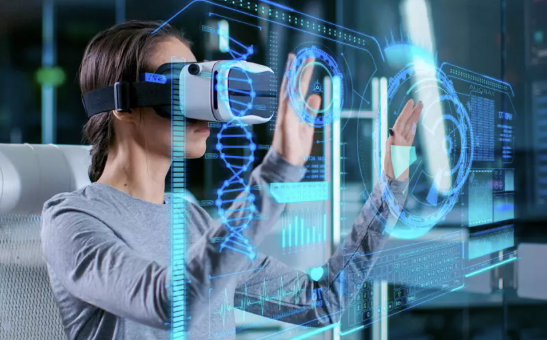
AR in Mobile Applications
The integration of Augmented Reality (AR) in mobile applications marks a significant shift in user interaction. This technology enhances real-world experiences by overlaying digital content in a seamless manner. From virtual try-ons in retail to immersive learning tools in education, AR is reshaping how users engage with their environments. However, the rapid evolution of this technology raises questions about its future implications and potential challenges. What lies ahead for AR’s role in mobile applications?
The Evolution of Augmented Reality in Mobile Apps
As mobile technology advanced, augmented reality (AR) began to transform from a niche concept into a mainstream feature within mobile applications.
Early innovations laid the groundwork, showcasing AR’s potential.
Technological advancements, such as improved smartphone sensors and processing power, propelled its integration into daily life.
This evolution not only enhanced user experiences but also sparked a desire for greater freedom in interactive digital environments.
Key Applications of AR in Various Industries
While augmented reality (AR) continues to reshape the landscape of mobile applications, its applications across various industries demonstrate its versatility and transformative potential.
In retail transformation, AR enhances shopping experiences by allowing virtual try-ons and interactive displays.
Similarly, healthcare innovation leverages AR for surgical training and patient education, ultimately improving outcomes and empowering professionals to make informed decisions in real-time.
Enhancing User Engagement Through AR Features
When mobile applications incorporate augmented reality (AR) features, they significantly enhance user engagement by creating immersive experiences that captivate and retain users’ attention.
By facilitating dynamic user interaction, these applications allow users to explore digital content in real-world contexts, fostering deeper connections.
This level of engagement not only increases satisfaction but also encourages prolonged use, making AR a valuable asset in mobile app development.
See also: kappacourse
Future Trends and Challenges in AR Development
Although augmented reality (AR) technology has already made significant strides in mobile applications, its future development is poised to be shaped by emerging trends and formidable challenges.
Key advancements in user interface design will enhance user experiences, while technological innovations may introduce complex integration hurdles.
As developers navigate these dynamics, they must balance creativity and practicality to unlock AR’s full potential in everyday life.
Conclusion
As the landscape of mobile applications continues to evolve, the integration of augmented reality stands as a testament to technological innovation. This theory posits that AR will not only enhance user engagement but revolutionize how industries interact with consumers. By examining the growing applications and potential challenges ahead, it becomes clear that AR’s impact is profound, suggesting a future where digital and physical realms seamlessly coexist, fostering deeper connections and transforming user experiences across various sectors.