AR Vs VR: Understanding the Difference
The distinction between Augmented Reality (AR) and Virtual Reality (VR) is often overlooked in discussions of immersive technology. AR enhances the real world by overlaying digital elements, while VR transports users to entirely virtual spaces. This fundamental difference influences how each technology shapes user experiences across various sectors. Understanding these nuances is essential for grasping their potential. What implications do these differences hold for the future of technology and user interaction?
Defining Augmented Reality (AR)
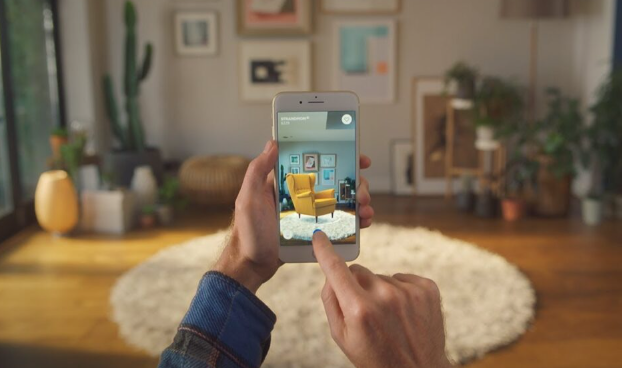
Augmented Reality (AR) represents a transformative intersection of the digital and physical worlds, where virtual elements are seamlessly integrated into a user’s real-time environment.
This real world integration enhances the user experience, allowing individuals to interact with digital content as if it were part of their surroundings.
Exploring Virtual Reality (VR)
Virtual Reality (VR) immerses users in a fully digital environment, creating a simulated experience that can replicate or enhance the real world.
Through advanced technology, VR offers immersive experiences that engage users in dynamic user interactions, allowing them to explore new realms and scenarios.
This freedom to interact within a virtual space fosters creativity and innovation, reshaping entertainment, education, and various industries.
Key Differences Between AR and VR
The immersive experiences offered by VR stand in stark contrast to the interactive enhancements provided by AR.
AR applications overlay digital content onto the real world, fostering engagement without isolation.
Conversely, VR experiences transport users to entirely virtual environments, creating a sense of detachment from reality.
This fundamental difference shapes how individuals interact with technology, influencing industries and user preferences significantly.
See also: AR in Mobile Applications
Future Implications of AR and VR Technologies
As advancements in technology continue to reshape various sectors, the future implications of AR and VR technologies promise to be profound and far-reaching.
Their potential social impact includes revolutionizing gaming evolution, enhancing immersive experiences, and transforming educational applications through interactive learning.
Moreover, healthcare advancements could lead to improved patient care and training, ultimately fostering a more informed and connected society that values innovation and collaboration.
Conclusion
In a world where escapism is just a headset away, the distinction between AR and VR becomes the ultimate tech debate: should we enhance our reality or completely escape it? As users teeter between the allure of digital overlays and the immersive abyss, one wonders if the real question is not about which technology reigns supreme, but rather how many hours we can spend in either before reality starts to feel like a poorly rendered simulation.